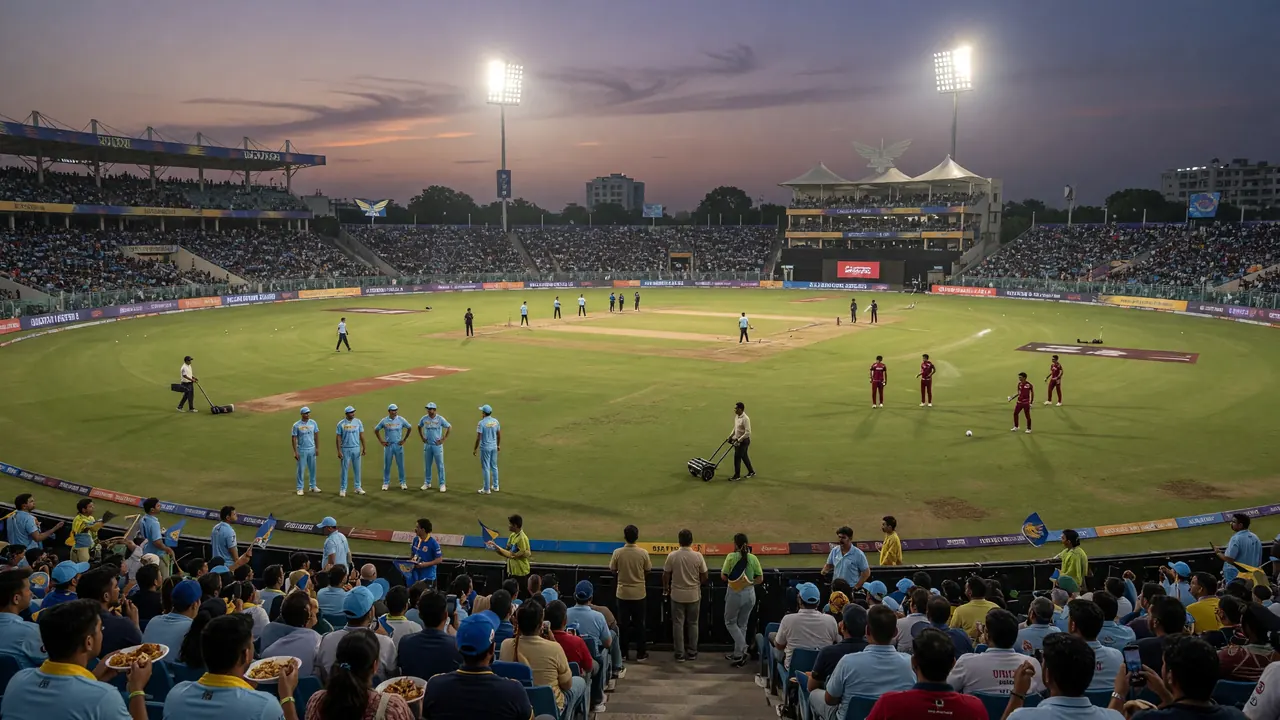
On Wednesday, 1 April 2026, Lucknow Super Giants hosted Delhi Capitals in Match 5 of IPL 2026 at BRSABV Ekana Stadium. Hours before the toss, The Sunday Guardian published a Dream11 preview that listed probable elevens, a spinner-friendly pitch read, two confirmed injury absences and a captain-vice captain core built around Mitchell Marsh and Axar Patel. This retrospective returns to that briefing as a historical fantasy record, not as live team news.
The fixture carried a familiar human plot. Rishabh Pant walked out for Lucknow against the franchise he once led. KL Rahul returned to Ekana in Delhi colours after seasons as Lucknow’s captain and wicketkeeper. Those storylines shaped the broadcast build-up; the fantasy build still had to start with the surface, the missing bowlers and the roles that survived the warm-up sheets.
What follows stays inside the verified pre-match record. Probable elevens were projections in the source, not post-match confirmed sheets. No final scoreline, player-of-the-match claim or live toss result is invented here. The value of the brief is the structure it left behind for later IPL nights on slow, gripping Lucknow pitches.
Why Match 5 still matters for fantasy process
Early-season IPL fixtures are noisy. Ownership clusters around big names, and salary space is often spent before the pitch note is read. Match 5 offered a cleaner lesson. Ekana was described as a spinner-first surface with grip and turn, a first-innings par near 165–170, and a preference to bat first after winning the toss. That single cluster of facts changed the ranking of every premium batter and every budget spinner on the card.
The brief also forced managers to price absence. Wanindu Hasaranga and Mitchell Starc were listed as unavailable through injury. Removing a wrist-spin strike option from one side and a left-arm new-ball threat from the other is not colour copy — it rewires who owns the middle overs and who owns the powerplay. Fantasy builds that ignored those blanks and chased last season’s averages were already behind before the first ball.
For the desk, the lasting use of the briefing is methodological. Venue first. Confirmed absences second. Role security third. Captain multiplier last. The same order still protects cash contests on slow Indian pitches when the popular XI overweights overseas power hitters who never see the ball after the tenth over.
Ekana pitch band: 165–170 and the bat-first lean
The Lucknow surface in the 1 April brief was not sold as a 200-run deck. Grip and turn were the headline. Par sat around 165–170. Captains who won the toss were expected to bat first. Those three lines are enough to re-rank an entire contest.
On a 165–170 band, the captain ceiling for a pure top-order batter compresses. A 70 off 45 is an elite night, not a routine floor. Bowlers who can take two wickets in the middle phase climb in value because every breakthrough slows a chase that already sits near the edge of the par band. Budget spinners stop being luxury differentials and become structural picks.
The bat-first preference also changes the dew conversation. If the home side wants first use of a dry surface, second-innings hitters face a ball that may grip more rather than skid on. That does not ban chasing names from a Dream11 side; it does mean their ownership should not be automatic simply because IPL chases feel familiar on television.
Injury blanks that rewired both bowling attacks
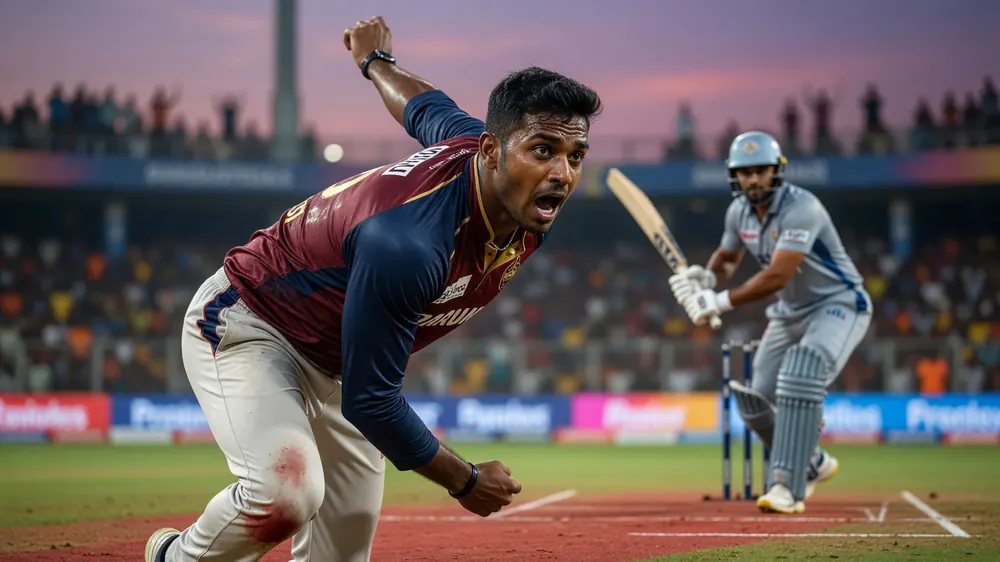
Hasaranga’s absence stripped Lucknow of a proven wrist-spin wicket threat in the middle overs. The brief answered that gap with Digvesh Rathi, the mystery spinner expected to choke Delhi’s middle order, plus Shahbaz Ahmed as the left-arm spin support around the pace core of Mohammed Shami, Mayank Yadav and Anrich Nortje. The fantasy translation is direct: Rathi becomes a live budget bowling slot rather than a deep bench name, and Shami’s new-ball overs gain extra weight because the spin strike option is thinner than a full-strength Lucknow attack.
Starc’s absence on the Delhi side removed the left-arm angle that usually attacks the top of the order in the powerplay. The brief rebuilt Delhi’s bowling around Axar Patel and Kuldeep Yadav as the spin engine, with Mukesh Kumar and T Natarajan carrying the pace overs and Auqib Nabi Dar flagged after a strong Ranji Trophy season for Jammu and Kashmir. Nabi’s inclusion was the purest differential signal in the document — a domestic seamer elevated by form and role, not by brand recognition.
Taken together, the injury list pushed the fixture toward spin control and away from pure pace fireworks. That is exactly the environment where all-rounders who bowl and bat in the same XI — Axar first among them — absorb ownership for a reason.
Probable Lucknow Super Giants XI
The projected Lucknow card in the briefing read: Mitchell Marsh, Aiden Markram, Rishabh Pant (captain and wicketkeeper), Nicholas Pooran, Ayush Badoni, Abdul Samad, Shahbaz Ahmed, Digvesh Rathi, Mohammed Shami, Mayank Yadav, Anrich Nortje. The batting spine is deep enough to absorb an early wicket. Marsh and Markram open the engine room, Pant keeps and captains, Pooran and Badoni supply middle-order acceleration, and Samad remains the finishing option.
For fantasy construction, three roles stand out. Marsh is the multi-phase batter who can take the new ball and still be batting in the twelfth over. Pant carries keeper points plus captaincy ownership gravity on a home night against his old side. Rathi is the salary release valve if the pitch plays as advertised. Shami and Mayank Yadav share the pace-wicket upside, but only one of them usually fits beside a spin-heavy core without breaking the cap.
Shahbaz Ahmed is the quiet glue pick. He is not the headline captain, yet on a turning surface he offers a few middle-over overs and a lower-order cameo. In cash contests that reward floor over ceiling, that profile often outpoints a pure hitter who faces eight balls.
Probable Delhi Capitals XI
The projected Delhi card read: KL Rahul (wicketkeeper), Pathum Nissanka, Nitish Rana, Tristan Stubbs, Axar Patel (captain), David Miller, Ashutosh Sharma, Auqib Nabi Dar, Kuldeep Yadav, Mukesh Kumar, T Natarajan. The shape is different from Lucknow’s. Rahul’s local knowledge at Ekana is the top-order anchor. Nissanka and Rana supply left-right variation. Stubbs and Miller hold the finishing band. Axar captains and bowls. Kuldeep is the wrist-spin threat against the right-handers in Lucknow’s middle order.
Axar is the fixture’s clearest all-round lever. He bats high enough to collect runs if the top order wobbles, and he bowls in the phases where Ekana was expected to grip. On Dream11 scoring, that double pathway is why he sat as the vice-captain recommendation in the original core rather than as a plain bowling filler.
Nabi Dar is the name most managers would have underweighted without the brief. A strong Ranji season does not automatically translate to IPL wickets, but on a night when Starc is missing and the surface is not a true fast bowler’s paradise, a domestic seamer with recent form is a cleaner differential than a second overseas batter squeezed into the XI for reputation alone.
Captain and vice-captain framework from the brief
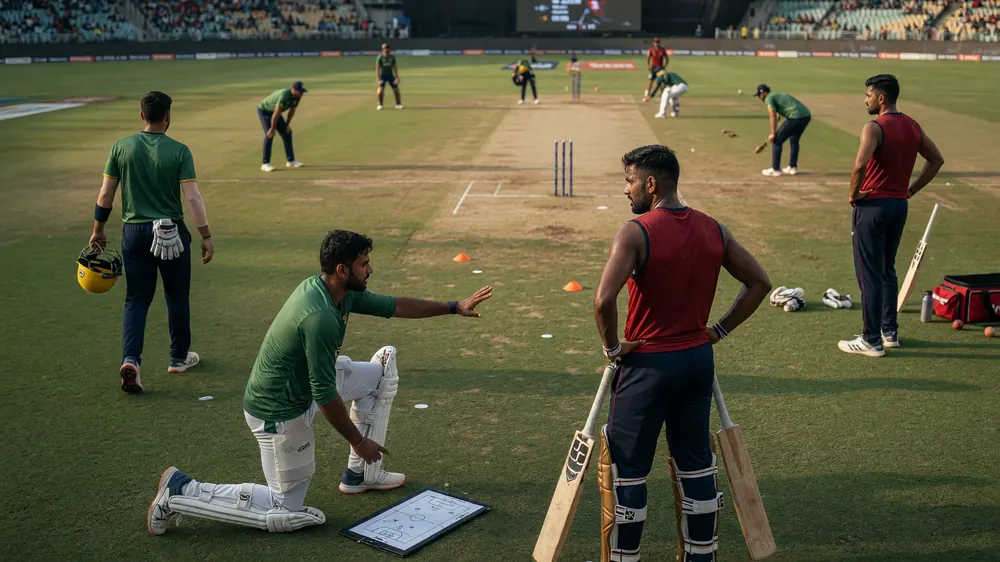
The original Dream11 core named Mitchell Marsh as the captaincy candidate and Axar Patel as vice-captain. That split still reads as process rather than fashion. Marsh’s pathway is batting volume across phases on a home deck where Lucknow wanted first use of the surface. Axar’s pathway is the combined batting and bowling role on the side that leaned on spin after losing Starc.
Secondary names in the brief were not throwaways. Digvesh Rathi was the budget spinner for managers who needed salary after locking Marsh or Pant. KL Rahul was priced for local-ground knowledge and keeper points even though he was returning in away colours. Pooran, Stubbs and Badoni filled the middle-order batting band where a single sixteen-ball innings can still clear fifty fantasy points on a 165 total.
The suggested composition sat close to a classic IPL balance: wicketkeeper options among Pant, Rahul and Pooran; batters led by Marsh, Stubbs and Badoni; all-rounders Axar and Markram; bowlers Nabi Dar, Kuldeep and Rathi. The toss check was flagged for 7:00 PM IST — a practical reminder that confirmed elevens and the bat-first call could still reshuffle the last two salary slots.
How a cash XI and a grand-league XI diverged that night
A cash build from the same brief would have looked conservative. Marsh or Pant as captain. Axar locked. One of Shami or Kuldeep as the premium bowler. Rahul or Pooran for the second keeper-batter lane. Rathi only if the salary sheet forced a cheap bowling fourth. The aim is not uniqueness; it is surviving a low-scoring squeeze without a zero from an ultra-thin differential.
A grand-league build could lean harder into the injury blanks. Nabi Dar and Rathi together create a bowling stack that most public sides under-own when the headline names are Marsh, Pant and Axar. Badoni becomes the third Lucknow batter if the brief’s middle-order choke thesis holds and Delhi’s chase stalls against spin. Markram is the pivot: keep him in cash for role security, or replace him in grand-league if the toss confirms a chase and a pure hitter gains the higher ceiling.
Neither shape invents information the source did not carry. Both shapes simply apply different risk tolerances to the same pitch band and the same absence list — which is the actual craft of fantasy selection once the briefing is on the table.
What the Pant and Rahul subplots meant for ownership
Ownership gravity is a real constraint in large-field contests. Pant at home against Delhi and Rahul at Ekana against Lucknow were always going to pull percentage points regardless of the pitch note. The disciplined read is not to fade them automatically; it is to decide whether their roles justify the salary after the surface is priced.
Pant’s case was stronger on role. He was captain, wicketkeeper and a middle-order accelerator on a surface that still rewards intent if the ball is there to hit in the powerplay and at the death. Rahul’s case was stronger on venue memory and top-order stability, weaker on the fact that Delhi’s bowling plan leaned on Axar and Kuldeep rather than on a single batter carrying the chase alone.
In practice, many public sides would have forced both into the same XI and then starved the bowling. The brief’s cleaner path was one of the two keepers, not both, unless the contest format specifically rewarded stacked wicketkeeper points. That single decision usually funds the second spinner who wins the night on a 165 deck.
Legacy of the 1 April briefing
The lasting lesson from Match 5 is not a leaderboard claim the source never made. It is a checklist that still travels. Read the pitch band before the brand names. Price confirmed injuries as structural blanks, not footnotes. Separate cash floor from grand-league ceiling. Treat returning former captains as ownership risks, not automatic locks. Leave two salary slots flexible until the toss board is up.
Ekana’s spinner-friendly reputation did not begin or end on 1 April 2026, but this briefing captured a clean early-season example of how that reputation should change a Dream11 sheet. Marsh as batting captain, Axar as the all-round vice-captain, Rathi and Nabi as the budget bowling answers, and a 165–170 par that punished anyone building for a 200-run shootout — those are durable notes for later Lucknow fixtures with the same surface profile.
For managers who want the broader captaincy math and salary-cap process that sits behind any single match brief, the desk keeps that craft under fantasy cricket tips. Match 5 simply shows the same process applied to a dated IPL night with concrete elevens and a concrete pitch band.
What this retrospective deliberately leaves blank
The Sunday Guardian document was a pre-match fantasy preview. It did not settle the toss result, the final confirmed elevens after warm-up, the match margin or any player-of-the-match decision. Those blanks remain blanks. A retrospective that invents a scorecard would stop being anchored to the assigned record.
What the record does settle is enough for a useful historical note. LSG hosted DC at Ekana on 1 April 2026. Pant and Rahul faced former sides. Hasaranga and Starc were out. Lucknow’s projected pace core ran through Shami and Mayank Yadav, with Rathi as the mystery spin option. Delhi’s spin plan ran through Axar and Kuldeep, with Nabi flagged from Ranji form. The pitch leaned spinner-friendly, par 165–170, bat first preferred. The recommended fantasy core put Marsh at captain and Axar at vice-captain, with a toss check near 7:00 PM IST.
That is the full factual ceiling of the brief. The craft is in how those facts still organise a spinner-first IPL contest long after the floodlights at Ekana went dark.
Source note. Pre-match fantasy facts drawn from The Sunday Guardian, “LSG vs DC Dream11 Prediction IPL 2026: Cricket Tips, Playing XI, and Pitch Report For Match 5,” published 1 April 2026. Editorial synthesis and retrospective framing by Betwinner Cricket Desk. Probable XIs in the source were pre-match projections, not post-match confirmed sheets.