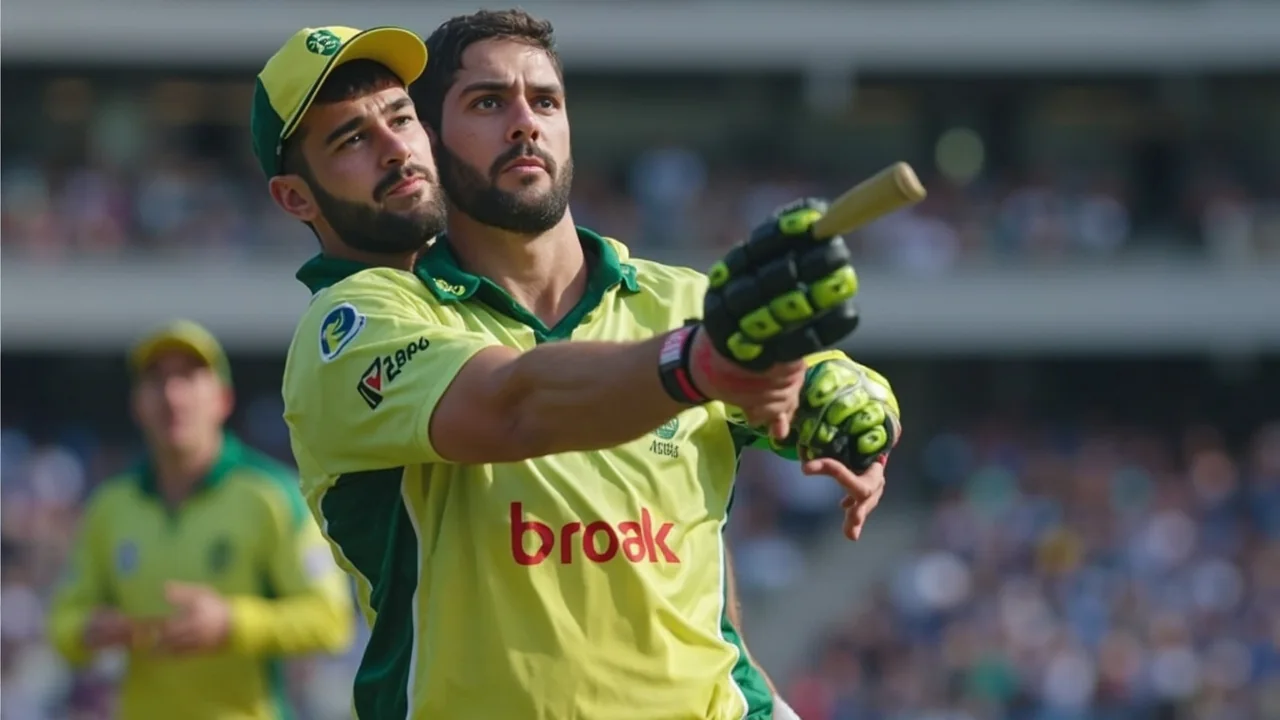
The Hundred Men's 2026 reaches its tenth fixture on Tuesday night, when Sunrisers Leeds host Manchester Super Giants at Headingley. First ball is scheduled for 11:00 PM IST, with live coverage listed on JioHotstar and Sony Sports. The Hundred format — 100 balls a side, five-ball sets in the powerplay, a ten-ball knockout phase at the close — rewards different names than a T20 would, and a fantasy lineup that ignores the format's quirks tends to leak points in the middle phase and the death block.
This preview sits inside the verified record published on the day of the match: the squads, the recent form from each side, the Headingley pitch numbers, the head-to-head ledger, and the captain and vice-captain calls. Where the source uses probable XI, that label is kept. The Hundred allows 11 players per side, no more, no fewer, and any fantasy build starts with those eleven.
Where both sides stand at the start of Match 10
Sunrisers Leeds come off a 5-run win over Southern Brave. Mitchell Marsh was named Player of the Match for his 69 off 34 balls — an innings that controlled the powerplay, the middle phase, and the closing burst without ever looking hurried. For fantasy managers that single performance does two jobs at once. It confirms Marsh's role as the batter who can take the bowling on across phases, and it returns his strike-rate to the top of the Hundred leaderboard. A 5-run margin, meanwhile, tells you the rest of the side did enough without dominating — useful colour when the differential picks lower down the order are being decided.
Manchester Super Giants arrive on a heavier wave of form. They beat Birmingham Phoenix by 87 runs in their previous outing, with Jos Buttler posting 90 off 50 balls. An 87-run margin in a Hundred fixture is a statement, not a wobble: it usually points to one side batting first and clearing 175-plus, then squeezing with the ball on a surface that offered less than the chase side hoped. Buttler's innings sat at the top of that card, which means the role security at number three for Manchester Super Giants is as firm as it has been all season. For fantasy use, that single stat also shifts the differential math: the safer captains from the Manchester roster now have a ceiling they did not have two matches ago.
Between those two results, the Match 10 brief inherits a clean contrast. Leeds are playing with one win and the confidence of a Marsh innings. Manchester Super Giants are playing with two wins and a Buttler innings that removed any debate about who finishes their innings in the powerplay. The Hundred rewards form, but it also rewards bowlers who can take wickets in the closing ten-ball phase — and that is where the deeper look needs to go next.
Probable XI — Sunrisers Leeds
The projected Leeds card for Tuesday night reads: Zak Crawley (captain), Dan Lawrence, Harry Brook, Mitchell Marsh, Ryan Rickelton (wicketkeeper), Nathan Ellis, Matthew Potts, Brydon Carse, Matthew Revis, Tom Alsop, Abrar Ahmed. The batting runs deep — six frontline batters before the all-rounder slot — and the bowling carries two recognised pacers in Potts and Carse, the late-over death option Ellis, and Abrar as the wrist-spin match-up against the left-handers in the Manchester top order.
For fantasy, the shape matters more than the names. With six top-order batters and a wicketkeeper-batter in Rickelton, the side is built to absorb an early wicket without changing the run rate. That structural fact changes how Marsh and Brook should be priced inside a Dream11 XI. A side that can absorb an opener falling in the powerplay does not need a Marsh-class innings to reach a competitive total — it needs Marsh or Brook to take the bowling on across the middle. Conversely, an early wicket for Crawley or Lawrence simply shifts Marsh up an over earlier, not a tactical rebuild.
The bowling question is where Leeds have the most thinking to do. Potts and Carse offer new-ball control, Ellis handles the closing ten-ball phase, and Abrar is the one specialist bowler in the XI who can take the ball away from both sides of the stumps. On a Headingley surface that has offered 65% of its wickets to pace bowlers over the last two seasons, Abrar is the structure pick rather than the strike pick — his role is to keep the right-handers honest while the quicks rest.
Probable XI — Manchester Super Giants
The projected Manchester Super Giants card reads: Aiden Markram (captain), Leus du Plooy, Heinrich Klaasen, Jos Buttler (wicketkeeper), Tim Seifert, Josh Tongue, Noor Ahmad, Gus Atkinson, Liam Dawson, Tom Moores, Sonny Baker. The batting again runs six deep, with Markram as the captain and the tactical fulcrum, Klaasen as the middle-overs accelerator, Buttler keeping the wicket and finishing the innings, and Seifert providing a left-handed switch option lower down.
The bowling is where the side stands apart in this fixture. Tongue and Atkinson carry the new ball, Baker handles the closing ten-ball phase, Dawson is the left-arm spin control option, and Noor Ahmad is the wrist-spin match-up against the right-handers. Five frontline bowling options in the eleven is unusual for The Hundred, and it tells you what the management thinks of Headingley on Tuesday — they have picked the surface as a pace-first deck, with spin as the variation rather than the threat.
That decision has a fantasy consequence. A five-bowler XI almost always trims one of the batters at the bottom of the order. Tom Moores, in this shape, is the second keeper-batter and the floating batting option, not the batting-first pick. For differential value, Moores is a captain-or-vice-captain option only if the Manchester top order has collapsed — otherwise his points come from a small batting cameo and a couple of stumpings behind the stumps, which is a thinner ceiling than his salary might suggest.
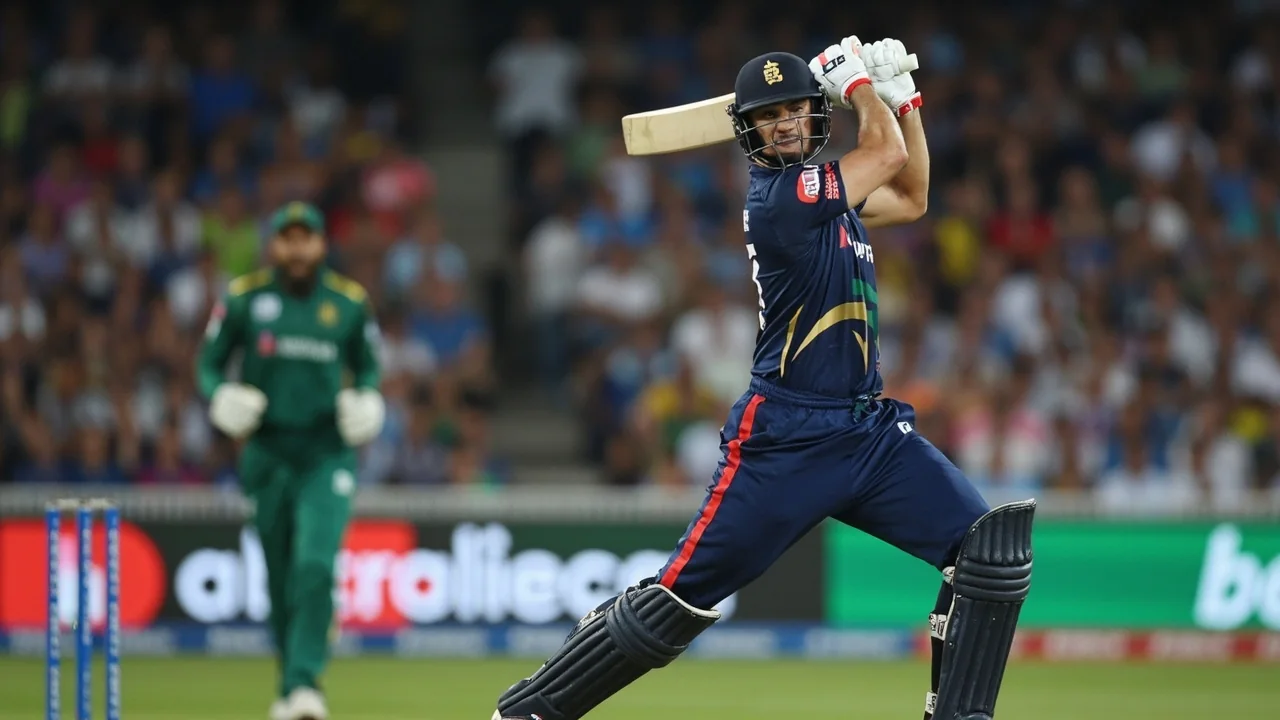
Headingley pitch and the 158/148 band
The Headingley numbers for this fixture are blunt. Average first-innings score across recent Hundred matches at the ground sits at 158. Average second-innings score sits at 148. Win-batting-first percentage is 45%. Win-bowling-first percentage is 55%. Pace bowlers have taken roughly 65% of the wickets at the venue across the same window.
Read those numbers together and the message is clear. The Hundred at Headingley is a chase-friendly deck, but only mildly so — the second-innings average drops by ten runs, not by thirty. The bowling-first advantage is real but not overwhelming. And the surface still rewards pace as the primary wicket-taking method, with the spinners working in support.
For fantasy, the 158/148 band does two things. It caps the realistic ceiling for a captain pick from the top of either order — a 90 off 50 is a Buttler-tier outlier, not the median expectation — and it lifts the value of bowlers who can take two or three wickets across the Hundred's ten-ball closing phase. A 3-fer on a 158-total day is a 70-to-80 point contribution on most Dream11 scoring systems. On a 180-total day, the same wicket count is worth less because the batter ceiling climbs. Pitch band first, captain pick second.
The forecast for Tuesday evening in Leeds points to 19–20°C, around 20% rain chance, and humidity close to 90%. A full Hundred match — 100 balls a side, plus the timeouts — is expected, with the rain window small enough that Duckworth–Lewis adjustments are unlikely. The dew risk is the more interesting variable: Headingley in late July can carry a thin dew layer into the second innings, which makes the toss lean worth tracking when the official sheets drop.
Head-to-head context
Across the last ten meetings between these two sides, Sunrisers Leeds have won four and Manchester Super Giants have won five, with no no-results. That is a tight ledger, and the one-match edge to Manchester is well within the noise of a single fixture. What the ledger does confirm is that this matchup has produced cricket that does not need a recap to justify a fantasy build — both sides have beaten each other across formats and conditions, and the recent meetings have split late.
For fantasy, the head-to-head is colour, not a signal. The selection that pays off on Tuesday is the one that prices the role and the surface, not the one that prices the recent head-to-head win. Where the head-to-head does help is in resisting overconfidence: a Manchester side that has only edged the Leeds matchup 5-4 over the last ten meetings is not a heavy favourite, even with the two-match winning streak behind them.
Recent form, player by player
The source's recent-form numbers are short enough to walk through. For Leeds, Mitchell Marsh has 110 runs across the last two outings — including the Player-of-the-Match 69 off 34. Ryan Rickelton has 62. Dan Lawrence has 53. Nathan Ellis has taken 2 wickets across the same window.
For Manchester Super Giants, Jos Buttler has 106 runs, with the 90 off 50 against Birmingham Phoenix doing most of the work. Liam Dawson has 15 runs and 4 wickets — the rare all-rounder line that genuinely changes a fantasy salary calculation. Tim Seifert has 68 runs. Sonny Baker has taken 4 wickets.
Those numbers point to a clean captaincy split. The Manchester form names carry the higher aggregate, but the role distribution is more concentrated: Buttler, Dawson, Seifert and Baker between them hold most of the side's recent ceiling. Leeds are flatter — Marsh is the only elite ceiling name, with Rickelton, Lawrence and Ellis as the secondary tier.
Captain and vice-captain picks
The safe captaincy call is Jos Buttler. He has the form, the role security, the keeper-batter points, and the Headingley-friendly chasing conditions if Manchester bowl first. In a Hundred fixture that projects to a 148–158 band, Buttler's ceiling is a 75-to-90 point contribution, with a floor that does not drop below the mid-30s unless he falls early to Potts or Carse. That ceiling-to-floor ratio is the reason he sits at the top of the safe list rather than in the differential slot.
The grand-league differential captaincy call is Liam Dawson. The 4-wicket line is not an outlier — Dawson has been used by the management in the middle phase specifically because his left-arm spin takes the ball away from the right-handed Marsh and Brook. On a surface that has favoured pace for 65% of its wickets, a left-arm spinner who is taking four wickets in a recent Hundred outing is the cleanest differential ceiling in the fixture. If Dawson takes three wickets and scores 20 off 15 balls, he lands in the 80-point range — comparable to Buttler's ceiling, with much lower ownership.
The safe vice-captaincy call is Mitchell Marsh. Form says 110 runs in the last two outings. Role says he is the batter who can take the bowling on across phases. Surface says the Headingley chase deck suits his high-elbow hitting. The floor is the worry — Marsh can fall early to Atkinson or Tongue — but the ceiling on a 158-target day is the highest in the Leeds card.
The differential vice-captaincy call is Ryan Rickelton. With 62 runs in the recent window and a wicketkeeper's stumping points on top, Rickelton is the cheaper route to a 60-point-plus contribution. The differential value sits in the salary space he frees for the rest of the XI: a Rickelton vice-captain allows a more expensive bowling pick in the middle order, which is where this fixture's real value lives.
Suggested grand-league XI
The Dream11 build for the grand-league side, in batting order, with a 4-1-3-3 split across wicketkeeper, batter, all-rounder and bowler, reads: Mitchell Marsh (vice-captain), Ryan Rickelton, Dan Lawrence, Nathan Ellis, Jos Buttler (captain), Liam Dawson, Tim Seifert, Sonny Baker, Aiden Markram, Gus Atkinson, Zak Crawley. The split puts four batters up top — Marsh, Rickelton, Lawrence, Seifert — with the rest of the slots filled by the all-rounder in Dawson, the specialist bowlers in Ellis, Atkinson and Baker, the second keeper option in Buttler as captain, and Crawley as the cheap top-order anchor.
The salary logic behind that shape is straightforward. Marsh and Buttler take the two premium slots because of ceiling. Dawson is the middle-order lever because his wicket-taking role is unique in the fixture. Atkinson and Baker take the two pace-bowler slots because they are the most likely to share the 65% pace-wicket share. Crawley is the cheap captain-of-Leeds slot because he is the role-security pick without the recent form bump that Marsh carries.
For the mega-leagues, the swaps that move the projection are these. Swap Crawley for Leus du Plooy if the toss confirms Manchester are batting first — du Plooy opens the chase but does not face the new ball, which makes his points profile more volatile and his differential ceiling higher. Swap Atkinson for Josh Tongue if Tongue is confirmed with the new ball — the new-ball wicket is the higher-value ball-by-ball contribution. Do not swap Dawson for any other bowler — his role is too specific to replace.
Match prediction
Manchester Super Giants are favourites to win Match 10, on the back of fast-bowling depth and a two-match winning streak. The shape of that favouritism is narrow. They are not a 1.4 favourite on a five-bowler XI at a surface that has offered 65% of its wickets to pace; they are a 1.6–1.8 favourite on a side whose bowling depth is the cleanest path to a 145–155 second-innings chase.
The fixture's two questions sit in the second innings. Can the Leeds pace unit take enough wickets in the powerplay to keep the chase below par, or will Buttler and Klaasen keep Manchester ahead of the rate? If the toss hands Manchester a chase, they will back themselves to clear 149 with three or four wickets in hand. If the toss hands Leeds a chase, the 158-target band sits just inside their batting depth, and the fixture tips toward the home side.
For the fantasy read, the prediction is secondary to the role reads. A clean XI that prices Dawson's differential ceiling, Marsh's safety, and Buttler's captaincy floor will outscore a popular XI that ignores the middle-overs spin match-up. The Hundred rewards captains who take wickets as much as it rewards captains who score runs, and Match 10 has one spinner in the differential slot and three pace bowlers who all have the role to take a 3-fer.
What to watch in the warm-up
Three details worth tracking when the warm-up ends and the team sheets go up. First, the confirmation of Abrar Ahmed or Matthew Revis as the second specialist spinner in the Leeds XI — Revis's inclusion changes the bowling balance and the death-overs role. Second, the confirmation of Tom Moores or Tim Seifert as the second keeper-batter in the Manchester XI — Moores is the floating batting option, Seifert is the left-handed middle-order switch. Third, the toss — Headingley's dew profile in late July can flip the chase advantage, and the captain who wins it will bat first only if the surface is visibly drier than the forecast suggests.
For a fuller match-call framework that walks through the captaincy math, the role security and the salary-cap splits across formats, the desk keeps a running note under the match predictions desk — the same shelf this preview sits on.
What this preview deliberately does not settle
A pre-match briefing leaves blanks that honest fantasy writing should not fill in once the match begins. The published record on Tuesday afternoon did not include the toss result, the confirmed XIs after the warm-up, the broadcast production notes, or any live scorecard detail. Those absences stay empty here. A preview that invents a confirmed XI, a winning margin, or a player-of-the-match claim would be a different article, and it would no longer be anchored to the source record this desk was assigned.
What the briefing does settle is enough for a durable build. The probable XIs are documented. The pitch numbers are blunt. The head-to-head ledger is tight enough to resist overconfidence. The recent form separates Marsh and Buttler from the rest of the card. The captain and vice-captain calls are split between safe and differential, with Dawson as the grand-league lever. The match prediction lands on Manchester as a narrow favourite on the strength of fast-bowling depth. The Hundred format rewards both batters who clear 60 and bowlers who take two-plus in the closing phase, and Match 10 has names in both slots.
The next fixture on the Hundred Men's 2026 calendar will reset the captaincy log. Until then, the cleanest fantasy build for Match 10 is the one that prices Dawson's role, Marsh's safety, and Buttler's ceiling — and ignores the popular XI that overweights the most-owned names.
Source note. Match preview facts drawn from Cricket Winner, "SUL vs MSG Dream11 Match 10 — The Hundred Men's 2026," published 28 July 2026, 15:22 IST. Editorial synthesis, captaincy framework and grand-league XI by Betwinner Cricket Desk, 28 July 2026. Probable XIs were pre-match projections in the source, not post-match confirmed sheets.