Betwinner wallet and KYC — documents, verification stages, and the privacy cautions before you upload.

KYC (Know Your Customer) is the regulatory verification the operator runs on deposits, withdrawals, and at threshold milestones. Below: the documents typically requested, the verification stages, and the privacy cautions a reader should understand before uploading.

Documents typically requested

What KYC documents the operator usually asks for.

The list below describes the categories of document most often requested. The desk does not confirm the exact requirements for any individual account — verify on the operator's site at the time of upload.

Document categoryWhat it confirmsVerification stage
Government-issued photo IDIdentity, age, name.At signup or first deposit, depending on jurisdiction.
Proof of addressResidential address matches the ID.Usually before first withdrawal.
Payment method proofThe card or account is yours to use.At first withdrawal, sometimes at large deposits.
Source of funds declarationThe origin of large or unusual deposits.At threshold milestones set by the operator and the regulator.
Selfie or live captureThe ID matches the live person.Operator-defined, often automatic.
Verification stages

The three stages most accounts move through.

KYC is rarely a single check. Most accounts move through staged verification: basic identity at signup, address confirmation before first withdrawal, and source-of-funds review at higher thresholds. The desk treats each stage as a distinct event — keep a record of when each completed.

  • Stage 1 — identity: name, age, photo ID.
  • Stage 2 — address: utility bill or bank statement, usually under three months old.
  • Stage 3 — source of funds: triggered at thresholds, not by default.

Editorial context for KYC document review
Privacy cautions

Five cautions before you upload any document.

The KYC process is regulator-driven, but the documents you upload are personal. The cautions below are practical and apply regardless of operator.

Upload only on the operator's site

Never send KYC documents through email, Telegram, or DM. The legitimate process lives on the operator's secure portal.

Redact before you upload

Mask unrelated numbers on bank statements and utility bills. Most operators only need the name, address, and issue date.

Match your account name

Documents must match the name on the account. Mismatches are the single biggest cause of stalled KYC reviews.

Note the file expiry

Some operators reject utility bills older than three months. Generate fresh documents before uploading.

Document the upload

Screenshot the upload confirmation, the file name, and the timestamp. You will need this if the upload is disputed.

Verify deletion on closure

On account closure, request written confirmation that KYC documents have been deleted or anonymised per the operator's privacy policy.

Reference imagery

Editorial photography from the desk.

Imagery anchors the verification discussion without revealing any real document.

Device verification context
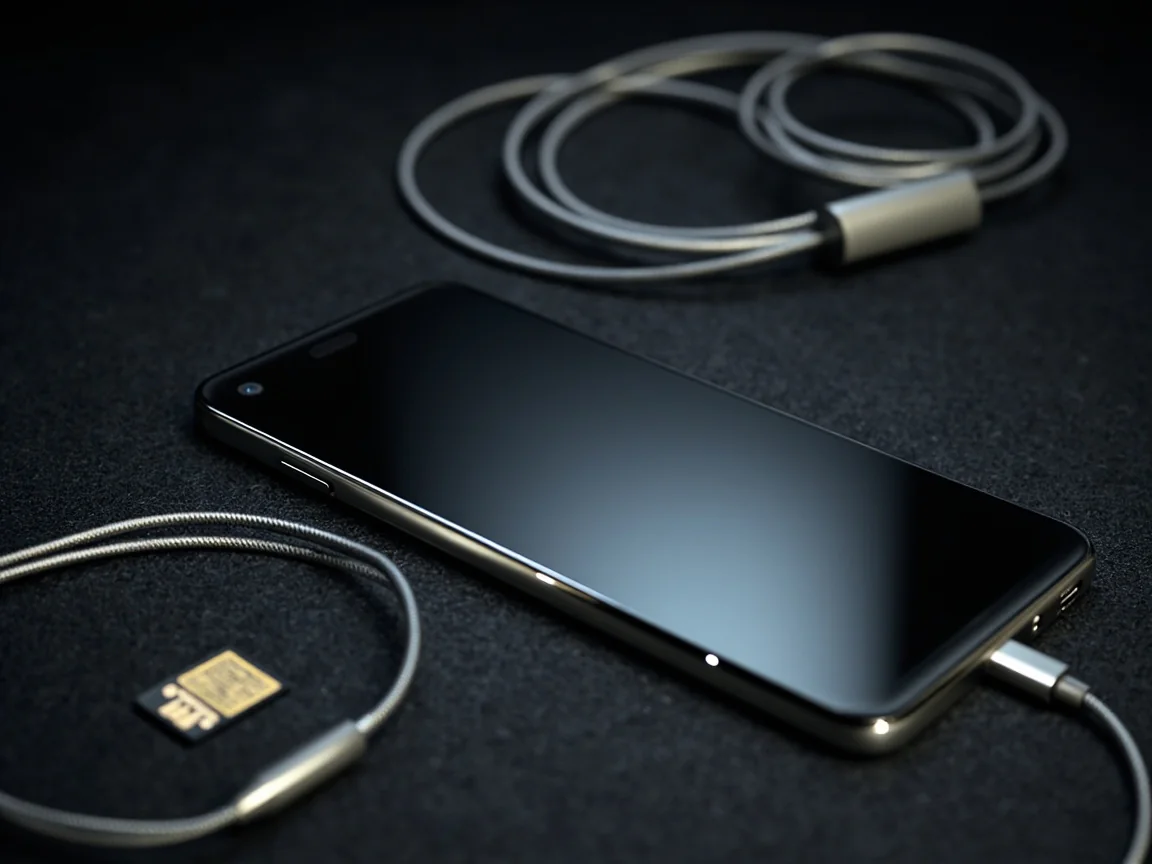
Device verification — the practical first stage of any secure session.
Storage and security context
Storage and privacy context — what "verified" actually means.
FAQ

Wallet and KYC, frequently asked.

The questions the desk receives most often about KYC and the wallet flow.

Why does the operator need my ID for fantasy cricket?

KYC is a regulatory requirement under anti-money-laundering and responsible-gaming laws in most jurisdictions where the operator is licensed. The category of offer (fantasy, sportsbook) does not change the requirement.

How long does KYC review take?

Most operators report 24 to 72 hours for standard review. Higher-stakes accounts (large deposits or withdrawals) sometimes take longer. The desk recommends waiting 72 hours before escalating.

Why was my KYC rejected?

Common reasons include blurred uploads, expired documents, name mismatch, or an unsupported document type. The operator's rejection message usually names the category; the desk recommends re-uploading a clean file rather than arguing with the rejection.

Can I use a relative's documents?

No. Documents must match the account name. Using another person's documents is the fastest path to a permanent account lock.

What happens if my address changes?

Update the address in your account profile and re-submit proof of address on the next KYC trigger. Most operators do not require immediate re-verification for address changes.

Are my KYC documents safe?

Licensed operators are required to store KYC documents securely and delete them on closure per their published retention policy. The desk recommends reading the privacy policy and asking for written confirmation on closure.

Upload on the operator's site, redact before you do.

KYC is regulator-driven, but the documents are personal. The cautions above keep the process clean and your privacy intact.

1
Upload only on the operator's secure portal.
2
Redact unrelated numbers on statements and bills.
3
Match the account name on every document.
4
Document the upload with screenshot and timestamp.
Login help Find official app
Play now